



Distributed marketing teams have a slew of tools at their disposal. But whether they ever work in tandem is the million-dollar question.
Although there is no single tool that can handle the workload of everything that a marketing team needs to do today, it doesn’t mean the tools of your choice can act as standalone silos. An ideal marketing tool of this age needs to play well with the rest of the tools in the stack.
And, a marketing tool which connects well with others need not be expensive nor the most popular. There are niche tools that allow marketers to get targeted work done just as efficiently.
In this article, we intend to walk you through a potential AI tool stack that offers every functionality that a distributed marketing team needs.
The Problem is Not a Lack of Tools
Gone are the days when you are restricted to a specific tool just because that’s the only subscription your organization has.
The SaaS bubble democratized and lowered the barrier to entry for marketing tools, while AI has just empowered marketers across the world to get work done without sacrificing quality, even when they are on a tight budget.
The current problem with the marketing tech stack is not that there are fewer than enough tools. There is a huge overlap in their functionality with little to no room for integration, resulting in data silos. While data silos are bad for every team, it is a nightmare to deal with in a distributed environment where feedback loops are long, and context gets lost in async communication.
Here’s an example of how it manifests in day-to-day work.
While one marketer uses their favorite LLM to churn out an article’s brief, their colleague may be using a different tool of their choice to flesh out the article. Both of them would just export the result to a document and share it with the next person in the workflow.
While all of these documents live in the cloud, finding the right version on a tight deadline is easier said than done. Their very existence may fade away from people’s memories due to the sheer number of drafts that exist in the shared drive.
So, how do you stop your marketing deliverables from being scattered across tools and folders without blowing your marketing budget?
Don’t go after a feature or a functionality. Always look at the bottleneck the tool solves and see if you have any other tool that currently caters to that problem. Make the right choice by considering factors like the migration costs and even the expense of overextending your subscription.
That being said, the most common problems that a distributed marketing team faces can be classified into four buckets. They are content production, communication and review, visual/video creation, and performance analysis.
Content Production
Yes, AI has been a great boon for those of us who work in content production, but a tool that lets you ship fast might not be the right choice for any team. Why? You have too many people handling the same brief/content, and even with version history, you can end up causing chaos, such as overriding your colleague’s edits.
Typeface
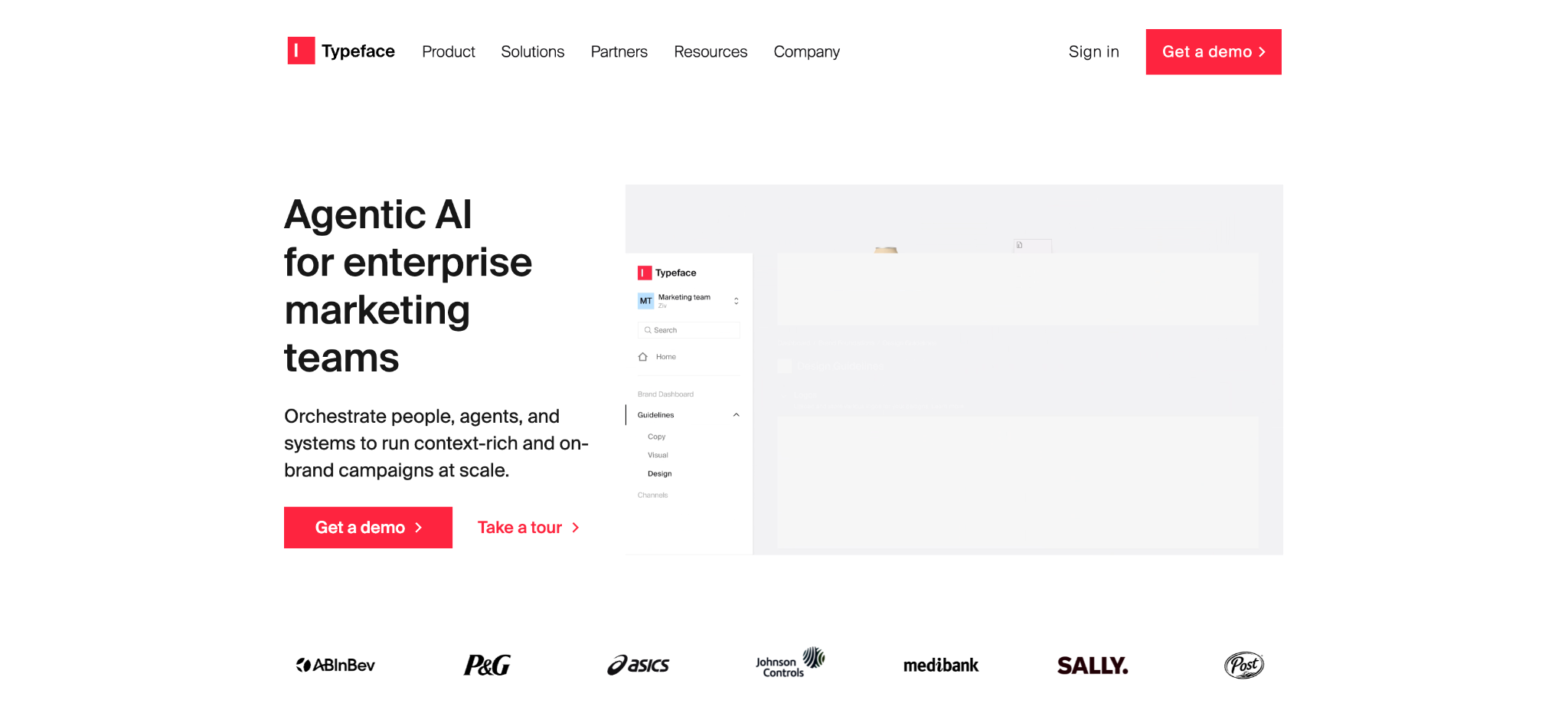
Typeface gives famous tools a run for their money, being the dream content workspace of every marketer. It keeps your whole content lifecycle intact by allowing you to handle everything from a brief to AI drafts and SEO guidelines in a single place. By even taking care of team assignments, Typeface helps marketers stay clear of messy content workflows where you have no idea about a deliverable’s status.
Anyword
As content production becomes easier with every LLM upgrade, its performance becomes questionable in a sea of lookalike, generated content. That’s where Anyword comes in handy. It predicts the performance of a copy and scores it by comparing it with millions of ads and pages. When you’re a small team juggling too many tasks, you can run your copy through Anyword to get a data-backed gut check on how it lands.
Frase
Frase gives the content team an SEO boost by offering them an informed baseline with competitor content, question clusters, and SERP data. Your briefs stay consistent, compliant, and SEO-driven even when there are multiple stakeholders.
A key aspect that most teams miss is the human edit layer, which is non-negotiable. Posting AI content without proper proofreading can be disastrous. Make sure that someone in your workflow owns the editing layer and ensure that it is not merely the person who sees it first, but someone with editorial chops.
Communication and Review
You may have the best AI stack in the world, but if your communication infrastructure is not stable, then even the most expensive tools may not be as efficient as they promise to be. You can generate viral-worthy content with the state-of-the-art AI tools, and it won’t help if you end up losing it in a messaging haystack.
Flock

While other tools take on the feedback loop, it is equally important to structure marketing channels in a way that allows genuine collaboration and makes the review cycle easier. Flock helps marketers create and manage channels by campaign, offering a single source of truth where no brief, draft, feedback, or sign-off falls through the cracks.
Claap
 This tool helps you find the middle ground between ambiguous written feedback and a meticulous live feedback session. Its async video feedback mechanism allows users to record their screen and talk through their comments about a design or a draft while letting the other person go through and respond to this message in their own time. And the best part is that it is not only visible and specific but also searchable.
Visual and Video Creation
Even with the overflowing list of AI-powered visual/video generation tools, most teams hemorrhage time in this part of the workflow and are often surprised to discover the same.
Kittl
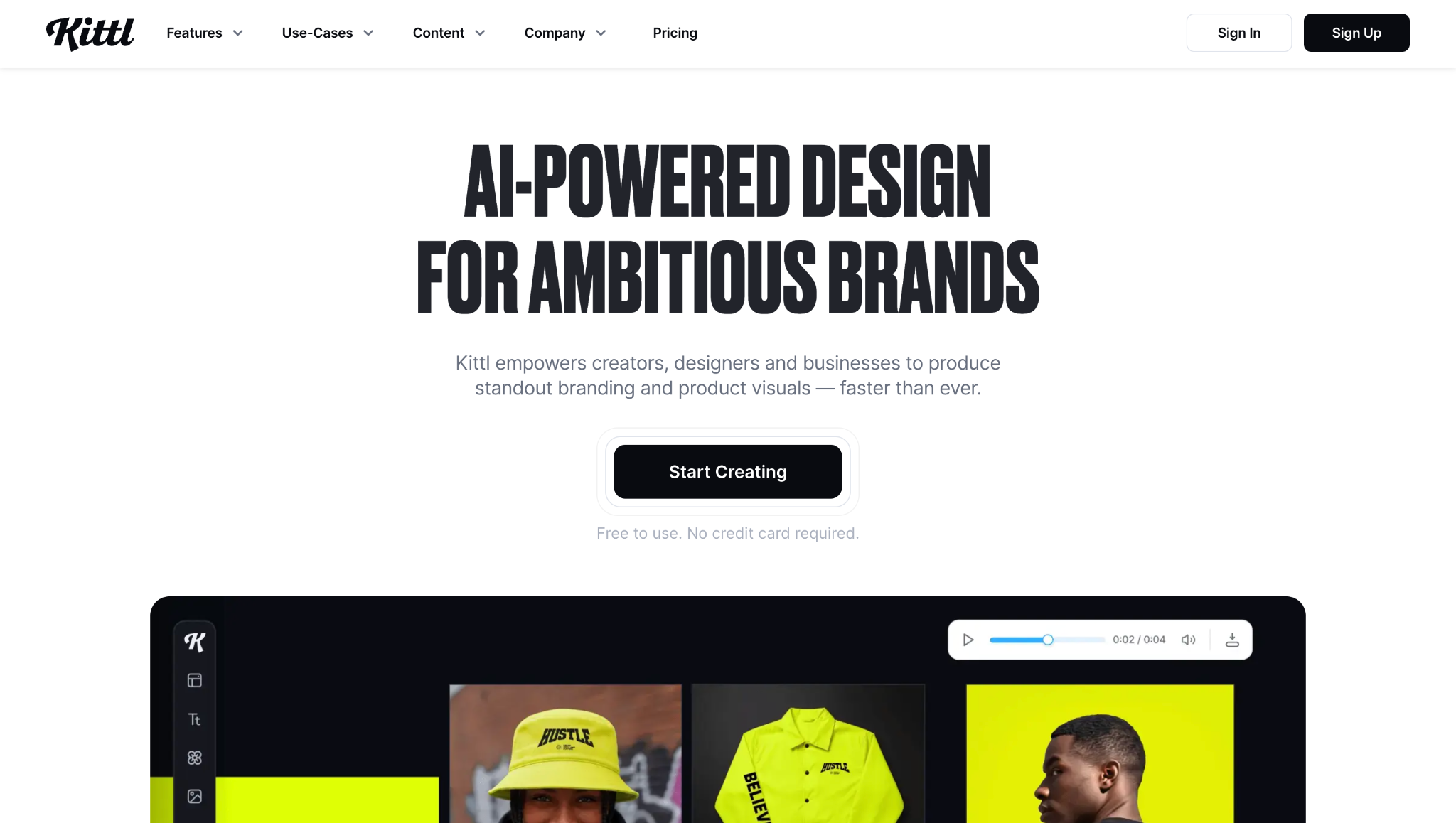
Despite not being as popular as popular image generation tools, Kittl’s template-based system offers non-designers the creative freedom they need without straying away from their brand guidelines.
Vidmage

Video creation in a distributed environment can be genuinely hard while juggling scripts, voice-overs, stock footage, and never-ending editorial suggestions. But, tools like Vidmage.ai, which let marketers generate videos from a text brief. Such tools help marketers turn their written concept into a decent video draft without a dedicated production setup or back and forth with editors who live across time zones.
Captions.ai
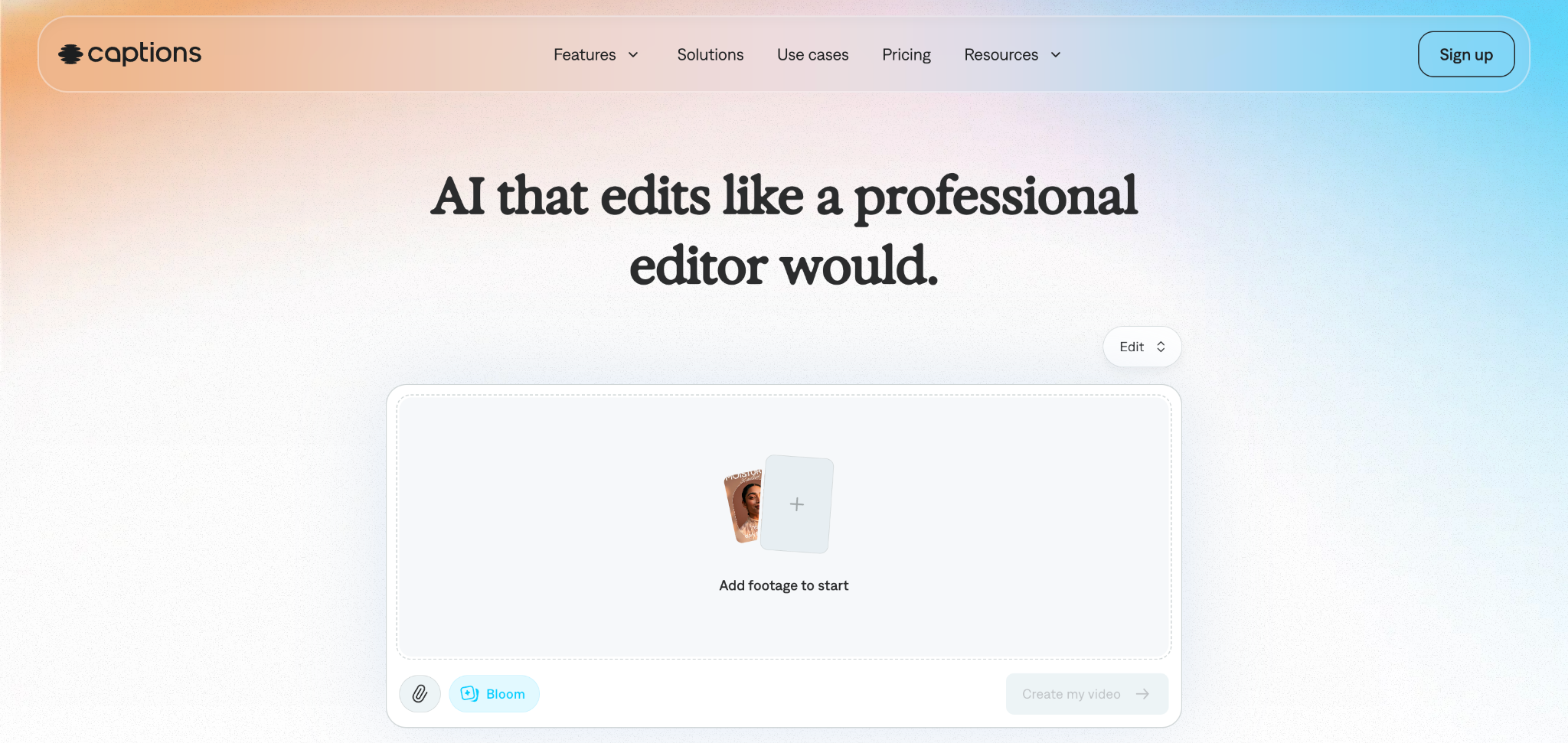
Adding captions, removing fillers, and reframing footage for an array of different aspect ratios is the hardest part of the editing/repurposing workflow. Tools like captions.ai save marketers from such tasks, which eat away their precious time for the least creative return. With this tool, even a not-so-tech-savvy member of a distributed marketing team can turn raw videos into social-ready content.
While none of these tools will replace a brand film, they can ship shareable versions of visuals or videos faster. These serviceable cuts can be used to gauge the reactions of the team and speed up the revision cycle.
Performance Analysis
While most of us are flocking to AI tools that speed up content creation, AI-powered analysis is seriously undertapped.
Dreamdata
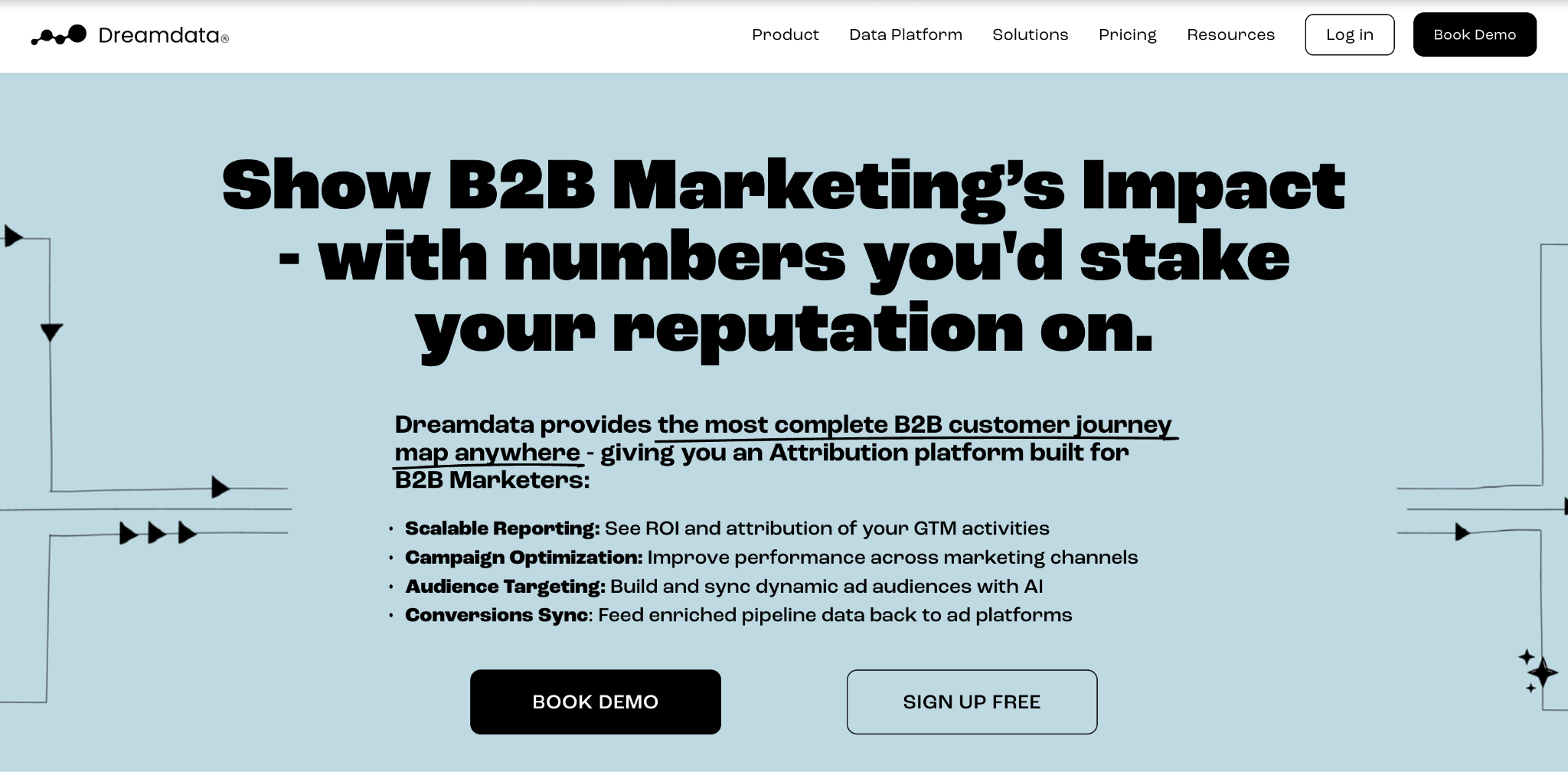
Often, attribution in B2B marketing goes awry as teams mistake correlation for causation. In a space where most analytics tools highlight the content that users clicked on, Dreamdata flags the content that moved them towards a sale. When there are different stakeholders involved, and no one has the picture of the complete buyer journey, visibility can make all the difference.
Factors.ai
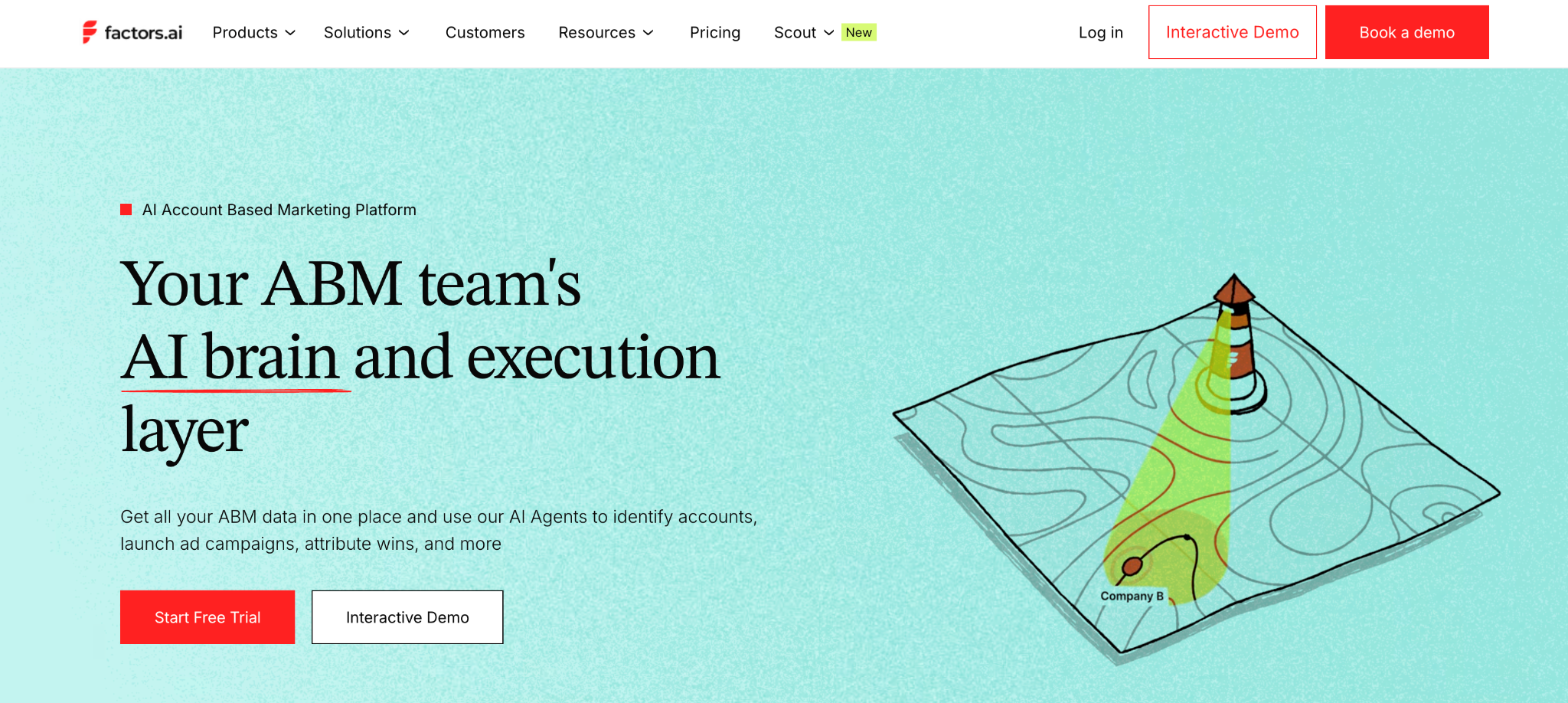 If account-level intent data is what you seek, factors.ai is a great choice. This makes sure that the distributed team focuses on signals that connect to the pipeline instead of being dead set on vanity metrics. When the analysis is explained in plain language without any complex dashboards that need a data analyst to interpret, you can spot the companies that are engaging with your content without a deep-dive analysis.
While the tools in this bucket offer as many insights as possible by showing you what happened, you still need to interpret the how, circling back to the communication aspect. An easy out for this roadblock is starting with a shared performance channel where each member shares their weekly numbers in a consistent format.
The Adoption Gap is Real
Just because you read glowing reviews of a new AI tool and subscribed to it does not mean that everyone else in your team will figure it out. Sadly, distributed teams don’t have watercooler conversations where one peer helps another figure out where the newly shared tool can fit into their workflow.
When your team communication tool keeps everyone in sync, you have a go-to spot to share everything from workflows and tips to templates and best practices with your team members asynchronously. The best option is treating tool adoption the way you treat any other project by assigning an owner, checking in with other stakeholders, and identifying what gets in the way.
Wrapping Up
Your impressive marketing stack is not a replacement for a solid strategy. To make your marketing stack work for you, don’t just focus on the tools. Take infrastructure seriously. Document your workflows, assign clear ownership, and strive to achieve a single source of truth for every campaign. The most important aspect is ensuring that your communication layer never buries important details in notification noise.
Once you understand that a good AI marketing stack is not made up of perfect tools, but rather of environments that allow your preferred set of tools to actually perform the job.